A client gift can feel thoughtful and useful without being overly personal. These seven picks focus on everyday work, from keeping papers in order to making a desk more comfortable.
Choose something that suits the way your client works, and add a brief note to make the gesture personal.
7 Useful Gift Ideas for Clients
Cross Classic Century 23KT Gold Plated Ballpoint Pen

- Slim metal body with flush details and a swivel-action mechanism.
- Refillable for continued everyday writing.
- Presented in a premium gift box.
Best Gift For: A client who appreciates a refined writing tool for notes, journaling, or everyday use.

Clever Fox Budget Planner, Large Dark Green
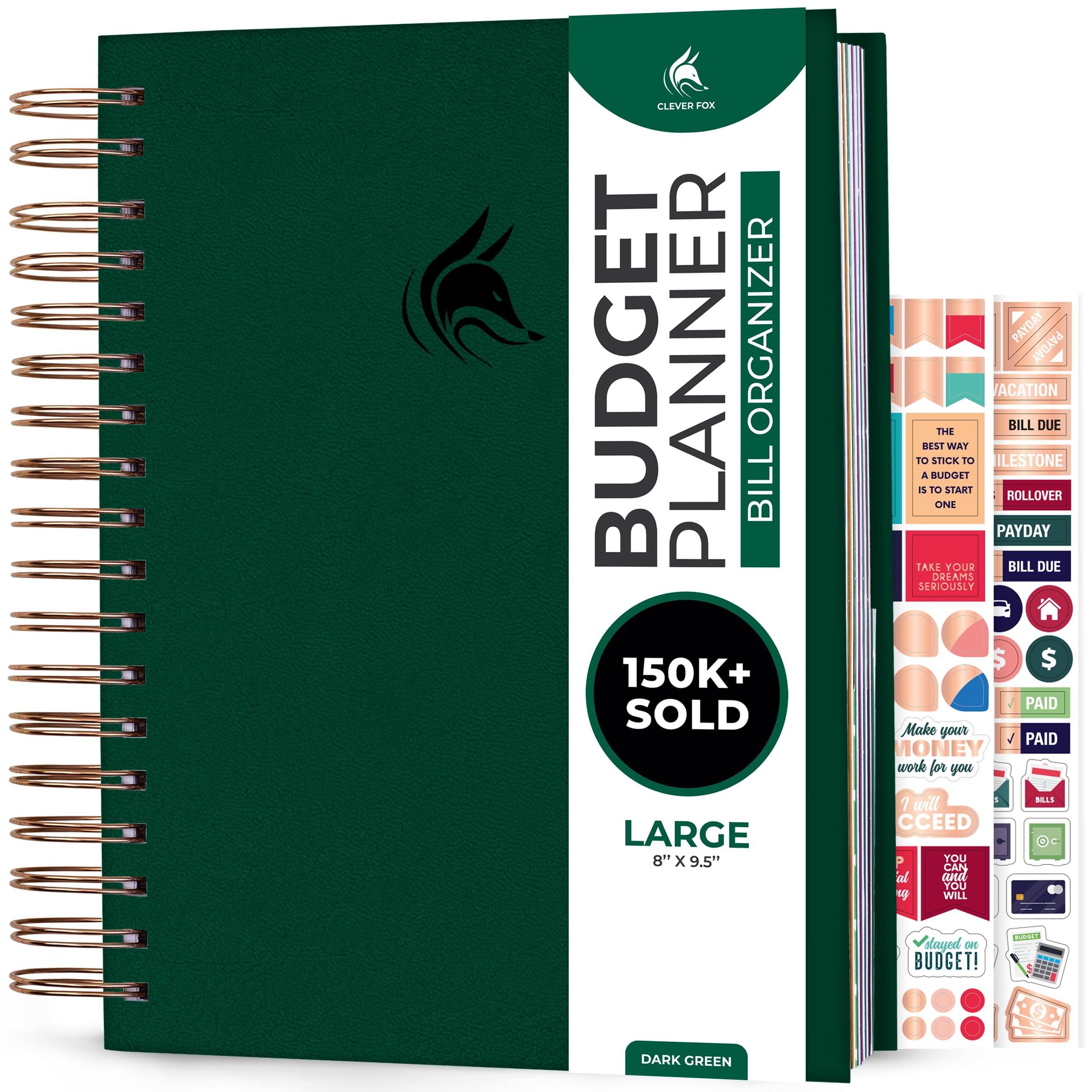
- Includes pockets for keeping financial papers organized.
- Supports monthly spending plans and daily expense tracking.
- Comes with stickers, a user guide, and a keepsake gift box.
Best Gift For: A client who would welcome a structured way to plan household or personal finances.
SKYDUE Rotating Desk Organizer with 5 Slots
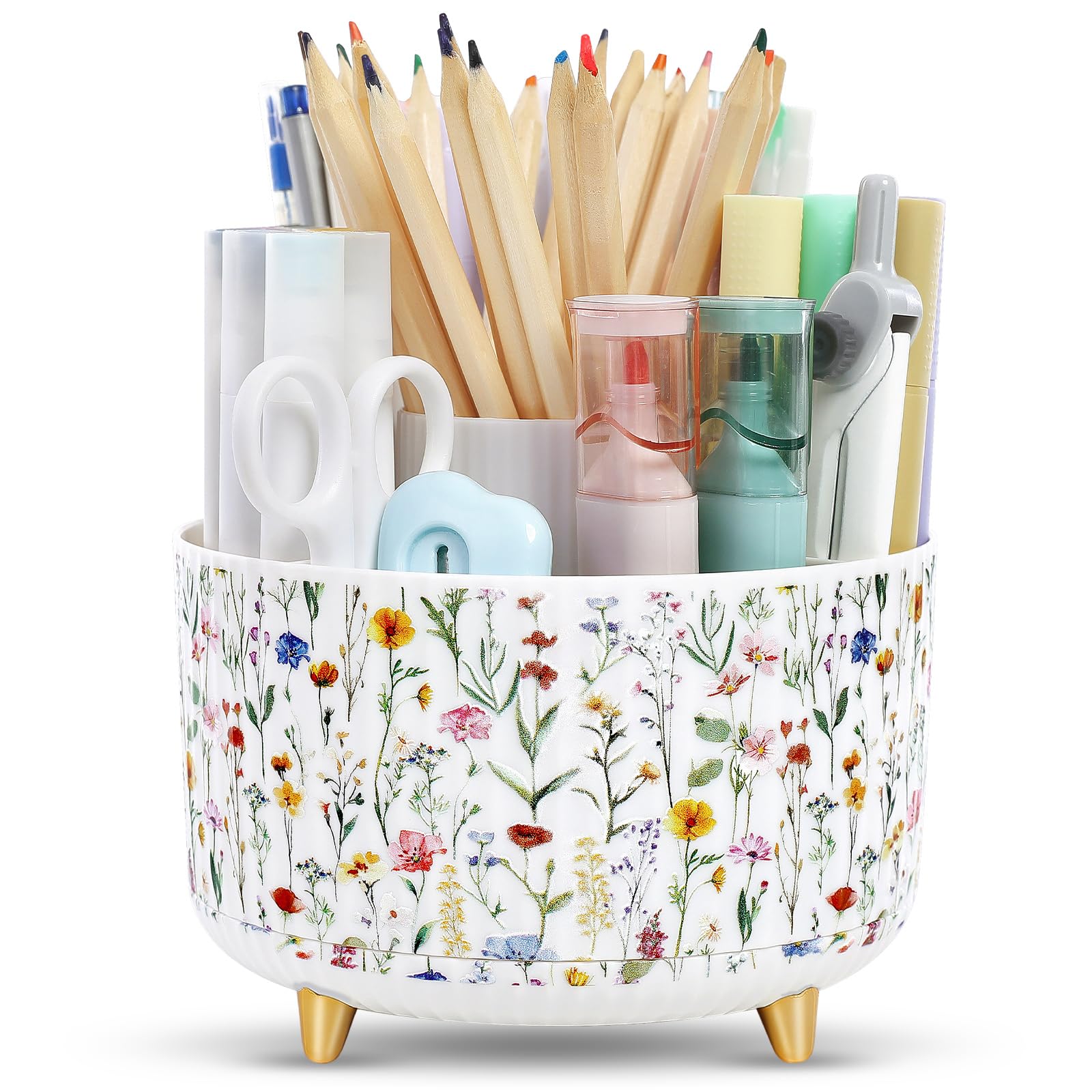
- Five compartments provide storage while taking up limited desktop space.
- The holder rotates to make writing tools easier to reach.
- Its uses include everyday office supplies and pens.
Best Gift For: A client who wants writing tools and small desk supplies close at hand.
SKYDUE Expanding File Organizer, 5 Pockets
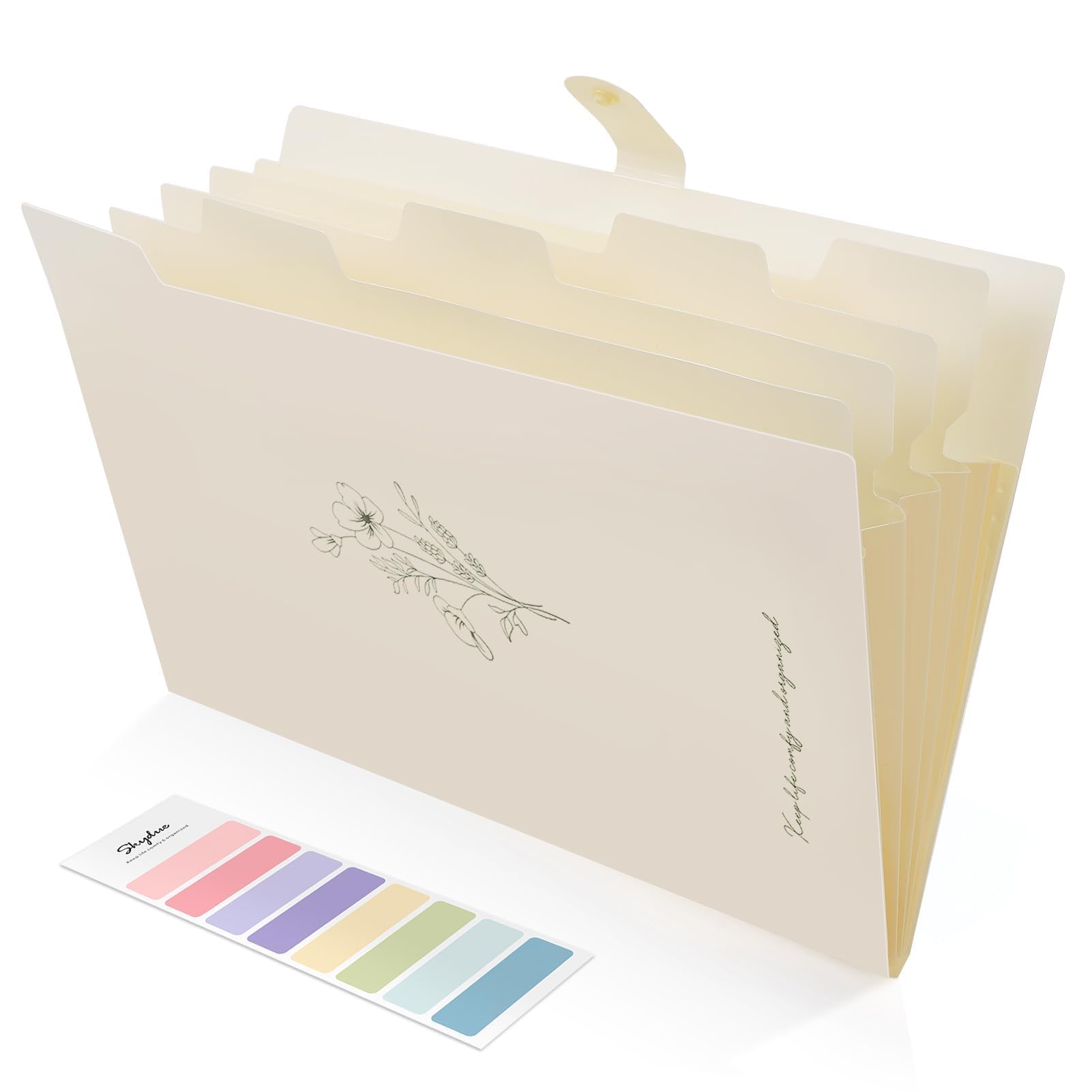
- Five expandable pockets and tab positions help organize papers.
- Fits A4 and Letter size paper.
- Lightweight and portable for home or office use.
Best Gift For: A client who handles paper documents and likes keeping them sorted and portable.
Nulaxy Pull-Out Height Adjustable Laptop Stand
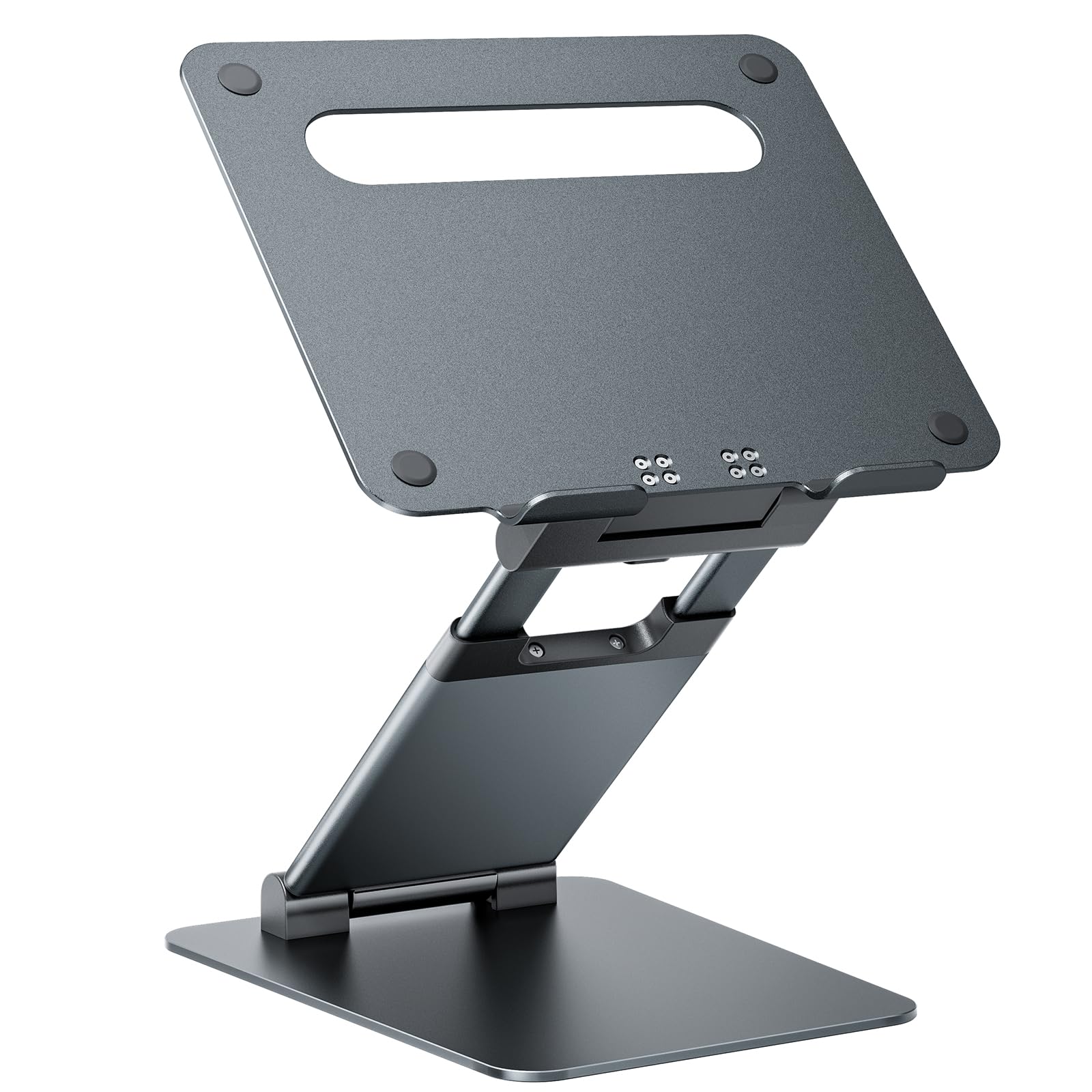
- Adjusts for sitting or standing positions.
- Folds for compact storage and transport.
- Aluminum panel with ventilation holes.
Best Gift For: A client who works at a desk and may appreciate adjustable laptop positioning.
Phomemo D30 Bluetooth Label Maker with 3 Tapes
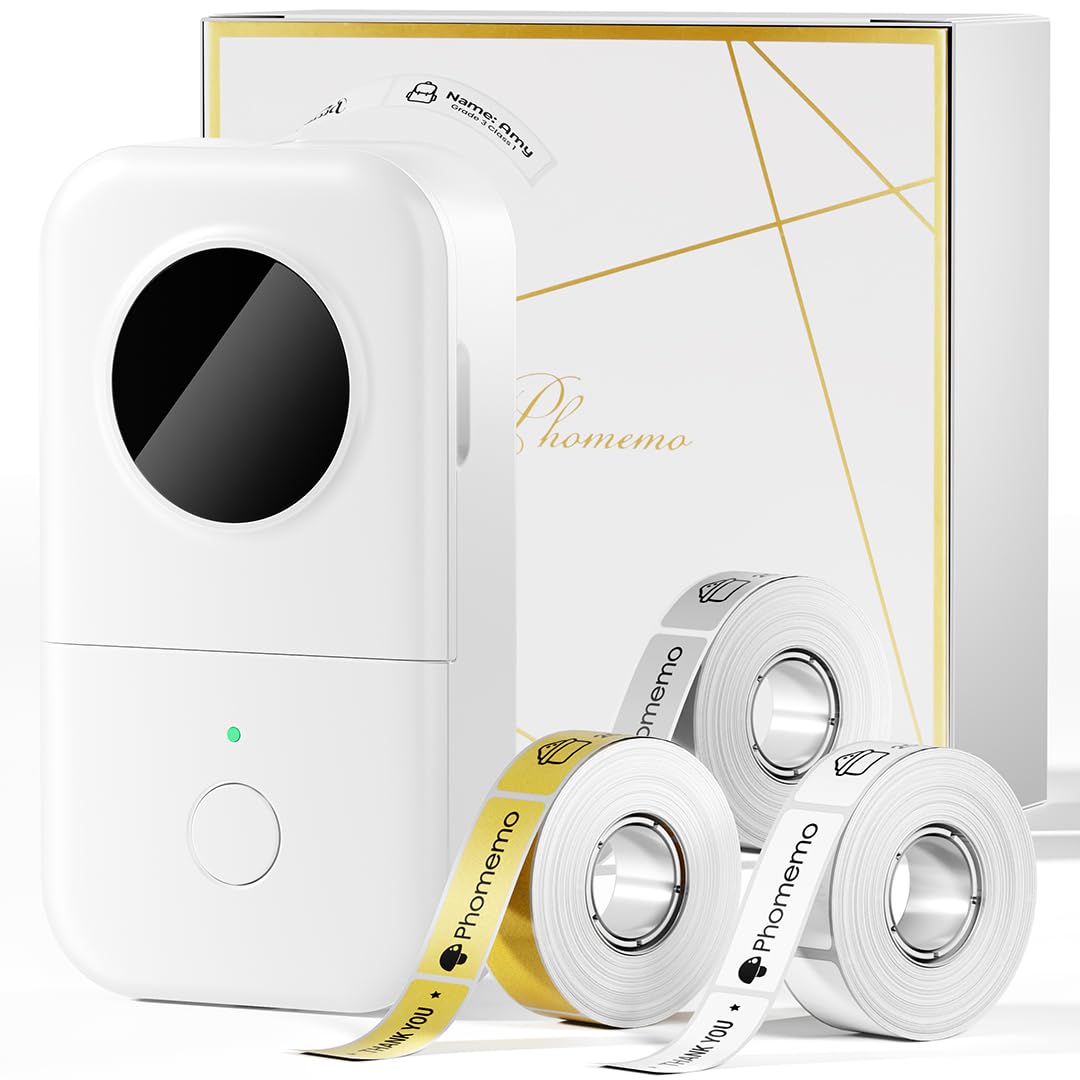
- Includes three tapes: white, gold, and clear.
- Prints without ink, toner, or ribbons.
- Creates labels from a mobile device over Bluetooth.
Best Gift For: A client who manages a small business, supplies, or office storage.
JLab Go Work Wireless Headset with Microphone (1 Pack)
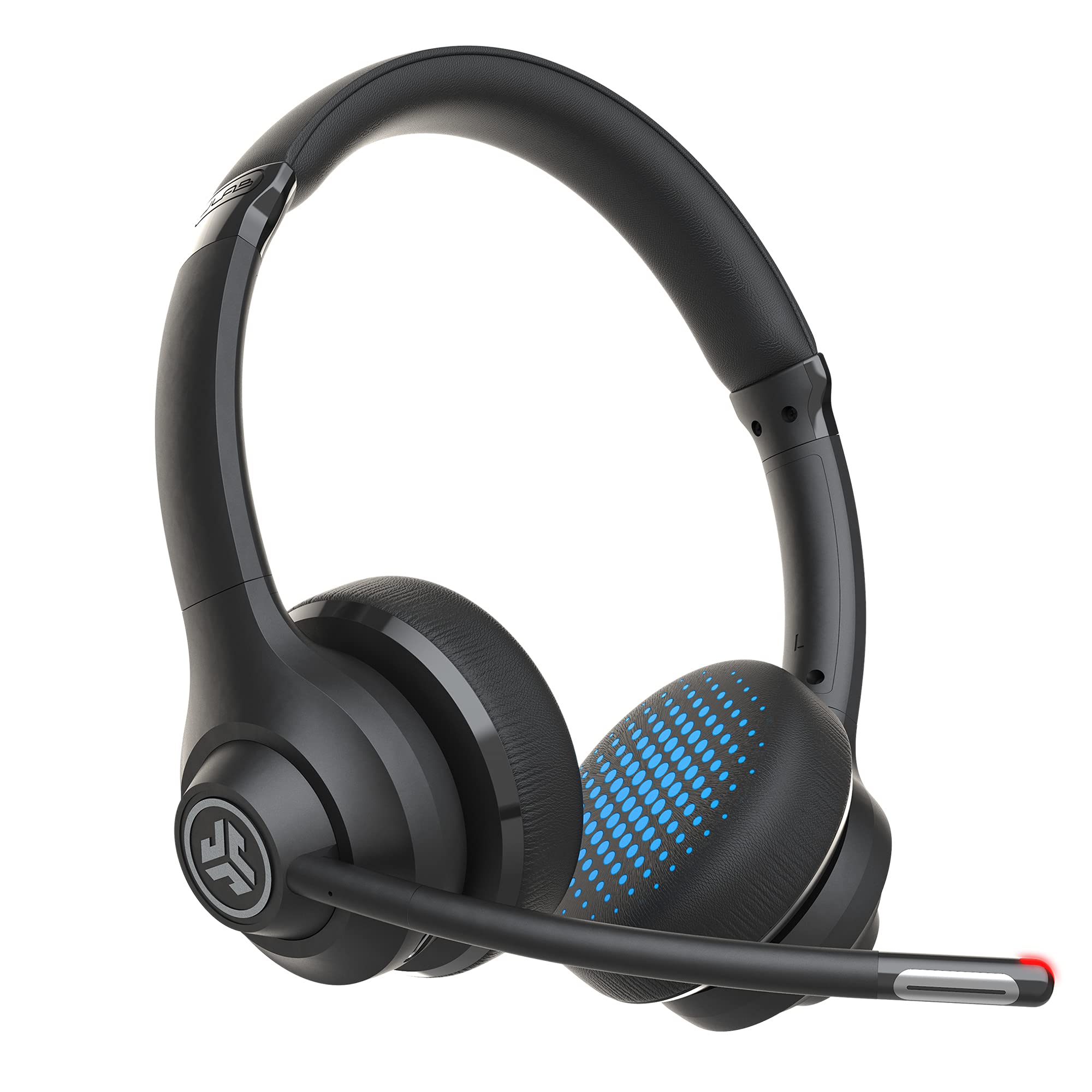
- Connects wirelessly or with the included cable.
- Connect to two devices at once with Bluetooth multipoint.
- Includes Cloud Foam earcups for all-day comfort.
Best Gift For: A client who moves between computer and mobile calls during the workday.
Choosing gifts for clients that fit their workday
When choosing gifts for clients, start with the relationship and the way the person works. A long-standing business contact may welcome a polished writing tool, while someone who often handles forms or invoices may get more use from a paper organizer.
Keep the gesture professional and proportionate to your relationship.
Think about whether the recipient spends most of the day at a desk, on calls, or moving between tasks. A tidy desk accessory can help someone who shares a workspace, while a headset may suit a client who often switches between computer and mobile conversations.
If you are unsure, choose a straightforward workday item with a clear use.
Consider what you know without guessing at personal preferences. A planner is a more specific choice for someone who values paper-based organization; a label maker may suit a small business owner managing supplies.
When in doubt, a note with a practical desk gift keeps the gesture warm without asking the recipient to adopt a new routine.
Balance usefulness and budget
Set a comfortable spending range before choosing. A small organizer or file folder can make an appropriate thank-you gesture, while a more substantial work accessory may fit a milestone or a closer client relationship.
Gifts for clients should feel considered, not like an attempt to influence a business decision.
Compare the overall experience as well as the item itself: presentation, packaging, and how readily the recipient can put it to use. A gift box can help a pen feel ready to give, while a practical organizer may be appreciated for its everyday function.
Check actual prices before buying, since they can change.
If a gift has recurring or complementary needs, factor those into the decision. A label maker, for instance, uses tapes, so consider whether the recipient is likely to find that format convenient.
Keep the exchange low-pressure and in line with your organization’s gifting practices, if applicable.
Personalize the gesture thoughtfully
A short handwritten note can make gifts for clients feel personal while keeping the tone professional. Mention a shared project, thank them for their time, or wish them well on a specific milestone.
Avoid overly familiar language if the relationship is new or formal.
Match the note and wrapping to the occasion. For a seasonal thank-you, simple wrapping and a brief message are enough; for a project completion, refer to the work you completed together.
If the gift will be handed over in person, keep it easy to carry and discreet.
You can also tailor the choice to a detail the client has already shared, such as their preference for paper planning or a particularly busy call schedule. Use that information lightly, without drawing attention to private matters.
A practical item paired with a sincere note often communicates more than elaborate packaging.
Make presentation easy and polished
Check the recipient’s name, business address, and any company gifting guidance before arranging a delivery or bringing a gift to a meeting. For gifts for clients, a correct name and professional presentation are simple details that show care.
If you are uncertain about the right recipient, ask your usual business contact discreetly.
Keep packaging neat and appropriate to the occasion. A concise card is easier to receive than a long message, and modest wrapping keeps attention on the gesture rather than the expense.
If you are sending several gifts, confirm each note is matched with the intended recipient before they go out.
For a team contact, consider whether a shared office item makes more sense than an individual gift. A desk organizer or label maker may be useful in a common space, while a personal planner depends more on individual preferences.
Choose a format that respects the recipient’s work setting and boundaries.
Plan timing and last-minute buying
For a last-minute gift, first confirm the item is suitable and can arrive or be brought in time. Check current delivery estimates directly before placing an order, and keep a backup plan such as a handwritten note or a locally available card.
Do not rely on assumptions about shipping speed.
Review product details before purchase, especially for items that need a compatible device, particular paper size, or ongoing supplies. Make sure the recipient’s setup is likely to work with the gift, and check dimensions if desk space or portability matters.
Those small checks reduce the chance of a well-meant present becoming inconvenient.
If timing is tight, simple presentation can still feel thoughtful. Write a brief note, remove unnecessary packaging clutter, and choose a practical item you can explain in one sentence.
A calm, timely thank-you is more useful than a rushed gift that does not fit the recipient’s day.